Why Tenant Feedback is Critical for Successful Commercial Property Renovations
There are a number drivers for renovations in commercial real estate: asset repositioning, lease competitiveness, and ROI, all which benefit a property owner’s bottom line in a clear, measurable, way. But one easily overlooked tools in planning any renovation is tenant feedback.
No matter what kind of property you manage – office, retail, or industrial – understanding your tenants’ needs can significantly impact the success of your future or current renovation strategy. Ignoring or minimizing those needs can lead to costly missteps, missed details, underutilized upgrades, and possible loss of one or more tenants.
Table of Contents
-
-
How to Collect Tenant Feedback in Commercial Properties
-
Tenants Understand Operational Needs Best
-
Prevent Misaligned Capital Investments
-
Improve Tenant Retention and Lease Renewals
-
Enhance Asset Value and Market Positioning
-
Identify and Prioritize Hidden Performance Issues
-
Minimize Disruption During Renovations
-
Strengthen Your Competitive Advantage
-
Final Thoughts
-
How to Collect Tenant Feedback in Commercial Properties
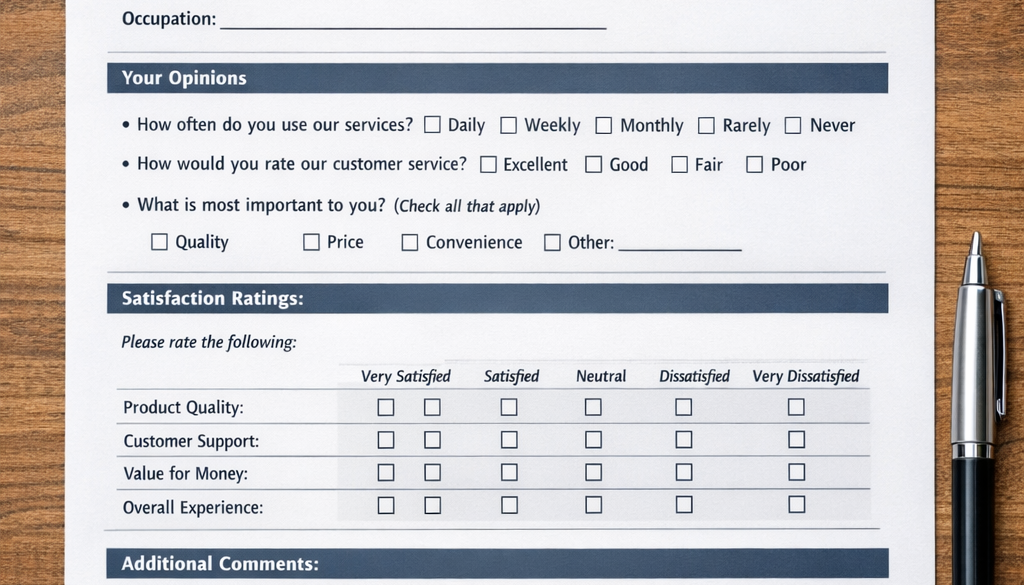
Before starting any project that affects the lives and business of others, get their feedback. Gathering the data you need to make the most strategic renovations is a great first step that will spread goodwill through all tenants for the duration of the project. Ask for feedback through:
– Tenant surveys focused on (the tenant’s) operational needs
– Hold one-on-one interviews with key tenants such as anchor stores or companies that lease large office spaces
– Broker and leasing team feedback
– Perform an analysis of service requests and maintenance data to spot key issues

Tip: for larger assets like shopping plazas, large office complexes, or industrial districts, consider forming a “tenant advisory group” to guide major renovation decisions to benefit the larger group.
Tenants Understand Operational Needs Best
Commercial tenants chose your property, and rely on it to run their business on a daily basis. Because of this day-in, day-out experience, it gives them a unique insight into operational inefficiencies (and efficiencies) that aren’t always visible during brief inspection visits. Soliciting tenant feedback can reveal issues like:
– Inefficient floor plans that impact workflow
– Inadequate power, internet connectivity, and other infrastructure needs
– For industrial properties, poor loading dock access or logistics flow
– Customer experience “pain points” (especially true for retail locations)
Considering your tenants’ insights on these areas ensure your next renovation project or projects support their real business operations and aren’t just for aesthetic purposes.
Prevent Misaligned Capital Investments
Commercial property renovations often involve major price tags. Neglecting tenant input puts you at risk of investing in ‘upgrades’ that don’t align with tenants’ priorities. Some common mistakes landlords make:
– Adding amenities that don’t match tenant profiles
– Redesigning spaces in a way that actually disrupts business operations
– Over-investing in lobby aesthetics while neglecting system operations (working HVAC systems are more important than pretty paint)

By utilizing tenant feedback, you can align capital improvements with actual demand – boosting ROI and lease appeal for existing and potential new tenants.
Improve Tenant Retention and Lease Renewals
Tenant retention is one of the most important elements of commercial property performance. When tenants feel their needs are being heard and subsequently supported, great things happen:
– Lease renewal rates climb
– Tenant relationships strengthen
– Vacancy and downtime between tenants decreases
Involving your tenants in renovation decisions beyond their own walls demonstrates your commitment to their success. Tenants who feel like their landlord is in their corner working with them, rather than against them, are more likely to stay long-term.
Enhance Asset Value and Market Positioning
Deploying strategic renovations can reposition a commercial asset like yours in the market, but only if tenant expectations are met. Renovating with tenant-informed upgrades in mind can:
– Attract higher-quality tenants over time
– Support premium positioning in more competitive markets
– Increase rental rates

Tenants of different properties have different needs, but all come down to how well their business can function in your property:
– Industrial tenants often prioritize loading efficiency and clear heights for easy movement of product and materials
– Office tenants often prioritize open, flexible workspaces and upgraded internet and electricity
– Retail tenants prize visibility, ease of customer flow, parking availability, and signage
Identify and Prioritize Hidden Performance Issues
Tenants can add insight into day-to-day surface issues that may not seem obvious at first glance, but indeed have an impact on business performance. These needs include:
– Security gaps impacting operations (a major issue to address as soon as it arises)
– Inconsistent climate control (affects productivity when employees are too hot or too cold to work efficiently)
– Insufficient parking and/or access challenges
– Poor acoustics in offices; many offices are quiet or semi-quiet work environments depending on the business being performed
Addressing these and any other major tenant concerns during the renovation process can significantly improve property
Minimize Disruption During Renovations
This may seem like a no-brainer, but is sometimes overlooked by property owners. Renovations in commercial spaces directly impact tenant revenue, no matter how cautious you are. Things that can disrupt operations include:
– Construction noise
– Limited access
– Required downtime
Engaging with tenants before and early in the renovation project allows you to:
– Provide temporary solutions to the most pressing issues
– Phase renovations strategically
– Schedule work during off-hours when possible

Taking these steps can reduce friction between property owners/managers and tenants and maintain strong relationships throughout the renovation process.
Strengthen Your Competitive Advantage
The key differentiator in today’s commercial real estate market: tenant experience. Properties that utilize tenant feedback can:
– Command higher rents
– Lease faster
– Build stronger reputations among tenants and brokers
Leading a renovation with tenant-centric improvements positions your asset as modern, responsive, and business-friendly, making it a place everyone will want to do business.
Final Thoughts
Listening to your tenants isn’t optional, it’s the competitive advantage you need to stand out from the rest, and tenant feedback drives smarter commercial renovations. To conduct a successful commercial renovation projects, look beyond aesthetics – your next renovation should support tenant operations by integrating their feedback every step of the way. When tenants are seen, heard, and accommodated, retention increases and your asset performance realizes maximum performance.
As a property owner or manager, the single act of listening to your tenants’ needs reduces your investment risk, increases lease renewals, and enhances long-term property value.
When you sit down with the staff at Realty Asset Advisors, we’ll help guide your renovation decisions based on your needs as a property owner or manager as well as meeting your tenants’ needs, ensuring all stakeholders benefit now and in the future.
Contact us today!