How to Design Commercial Spaces for Longevity and Adaptability
As workplace expectations, tenant demands, and operational needs evolve over time, commercial interior design must do more than be aesthetically pleasing. It must remain functional, flexible, and relevant for years to come.
From office buildings and mixed-use developments to healthcare, hospitality, retail or industrial environments, designing commercial spaces for longevity and adaptability has become not just a necessity but a critical investment strategy that puts you ahead of the competition.
Future-ready commercial interiors help businesses reduce renovation costs, improve operational efficiency, support workforce changes, and maximize long-term asset value.
Table of Contents
Why Longevity and Adaptability Matter in Commercial Interior Design
Flexible Space Planning
Open Floor Plans With Defined Zones
Modular Room Configurations
Avoid Over-Specialization
Invest in Durable, Timeless Materials
Flooring
Countertops & Work Surfaces
Wall Finishes
Multi-Functional Furniture
Design for Technology Integration and Future Upgrades
Flexible Power and Data Infrastructure
Smart Building Readiness
Support Hybrid Work and Evolving Workplace Models
Adaptable Workplace Features
Flexible Collaboration Zones
Hot-Desking and Shared Workspaces
Wellness-Focused Design
Incorporate Sustainable Commercial Design Principles
Sustainable Strategies for Commercial Interiors
Design for Accessibility and Universal Use
Accessibility Features to Include
Use Timeless Design Foundations
Timeless Commercial Design Elements
Final Thoughts
Why Longevity and Adaptability Matter in Commercial Interior Design
In today’s world, traditional design often prioritizes following current trends with little though to long-term functionality. While such trends may be visually appealing in the moment, relying on rigid layouts and trend-heavy interiors can make a commercial space feel outdated surprisingly fast.
Commercial properties experience constant changes, including:
– Tenant turnover
– Workforce fluctuations
– Technology upgrades
– Changing operational models
– Evolving customer expectations
For modern businesses, flexibility isn’t just a luxury, it’s essential. Commercial spaces must evolve alongside things like changing workforce models, tenant demands, technology, and operational needs. When you design with longevity and adaptability in mind, you can create environments that remain function, efficient, and visually relevant for years to come.
By designing adaptable commercial spaces, you can reap such rewards as:
– Reduced renovation costs over time
– Increased property values
– Better sustainability and resource efficiency
– Increased occupant satisfaction
– Enhanced functionality across changing business needs
Longevity-focused commercial design supports smarter investments, improved operational efficiency, and lower lifecycle costs. Adaptable commercial design also helps property owners not just extend the lifecycle of their spaces but also:
– Improve tenant retention
– Increase operational flexibility
– Reduce long-term capital expenditures
Meaning in today’s market, flexibility is no longer optional – it’s essential.
Flexible Space Planning
The foundation of adaptable commercial design starts with the most basic step of all — the layout. Commercial spaces should be able to serve multiple purposes without requiring major structural changes.
Modern commercial environments must support multiple functions while remaining easy to reconfigure over time. There are several key strategies to keep in mind when designing a layout with the flexibility to adapt to your company’s changing needs over time.
Open Floor Plans With Defined Zones
Traditional walls divide spaces into fixed shapes and sizes that offer limited flexibility. By designing an open layout, businesses create versatility while maintaining flow and collaboration.
Instead of using permanent walls to define spaces, commercial interiors can use:
– Area rugs
– Lighting and color variations
– Furniture groupings
– Sliding partitions
– Shelving systems
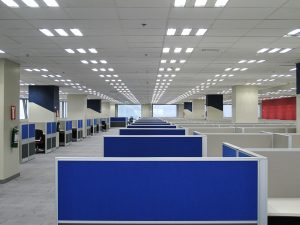
These elements allow spaces to shift purpose over time without disruptive construction or costly renovations. For example, an open office can easily transition between collaborative work areas, client meeting zones, and individual focus spaces as operational needs evolve.
Modular Room Configurations
Modular construction and flexible interior systems have become increasingly popular in commercial design. Businesses today require spaces that can evolve quickly and efficiently.
With movable walls, modular furnishings, and flexible infrastructure, commercial environments can easily adapt to changing workflows and occupancy needs.
Examples include:
– Turning a conference room into a collaboration hub
– Transforming a retail showroom into an event venue
– Reconfiguring training spaces for hybrid meetings
– Expanding coworking or shared workspace areas
Modular room configurations improve long-term functionality while minimizing future renovation costs.
Avoid Over-Specialization
Highly customized commercial spaces may look impressive and serve a singular purpose effectively in the short term, but excessive specialization can limit future usability.
A more neutral and flexible design approach allows future tenants, employees, or occupants to adapt the space to their own operational needs without extensive remodeling. Future-ready commercial interiors prioritize:
– Flexible layouts
– Neutral architectural foundations
– Adaptable infrastructure
– Scalable workspace solutions
This approach improves both longevity and long-term asset value.
Invest in Durable, Timeless Materials
Longevity starts with the materials used throughout the space. Choosing commercial-grade materials with durable finishes reduces maintenance and replacement costs while preserving aesthetic value over time. Some of the best materials for long-lasting commercial interiors include:
Flooring
– Engineered hardwood
– Polished concrete
– Luxury vinyl tile (LVT)
– Terrazzo
– Commercial carpet tile
Countertops & Work Surfaces
– Quartz
– Natural stone
– Solid surface materials
– High-pressure laminate
– Engineered stone
Wall Finishes
– Washable paints
– Wood paneling
– Limewash
– Textured plaster
– Acoustic wall panels
– Durable textured surfaces
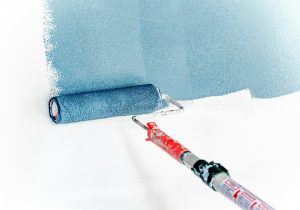
These timeless materials age gracefully and help commercial interiors avoid looking dated after design trends pass. Durable materials also contribute to operational efficiency by reducing downtime associated with repairs and replacements.
Multi-Functional Furniture
Furniture plays a more important role in commercial interior design than many businesses realize, especially when it comes to longevity and adaptability. Flexible furniture solutions allow organizations to scale, reorganize, and evolve their spaces without complete redesigns.
Some examples of adaptable commercial furniture solutions include:
– Height-adjustable workstations and workstations
– Mobile collaboration tables
– Modular seating systems
– Stackable conference seating
– Convertible lounge furniture
– Reconfigurable lounge furniture
– Storage-integrated solutions
These solution are especially valuable for:
– Hybrid office environments
– Coworking spaces
– Hospitality spaces
– Educational facilities
– Multifamily amenity areas
– Healthcare waiting areas
These types of multi-functional furniture help businesses maximize space efficiency while also supporting changing workplace needs over time.
Design for Technology Integration and Future Upgrades
Technology seems to evolve by the minute, meaning outdated infrastructure can quickly reduce a commercial space’s effectiveness. Designing with future technological upgrades in mind minimizes disruption and retrofit costs. Some future-proof technology strategies include:
Flexible Power and Data Infrastructure
– Raised access flooring
– Accessible ceiling systems
– Integrated cable management
– Expanded electrical capacity
– Wireless charging stations

Smart Building Readiness
Modern commercial spaces are becoming keenly aware of ‘smart’ building technology such as:
– Occupancy sensors
– Smart lighting systems
– Automated HVAC controls
– Access control systems
– Integrated AV and conferencing technology
Planning for these and other scalable technology infrastructure ensures your commercial space remains efficient and competitive for years to come.
Support Hybrid Work and Evolving Workplace Models
The modern workplace continues to shift toward flexibility, as well as an employee-centered design. Today’s commercial interiors need to accommodate:
– Hybrid work schedules
– Collaborative work
– Quiet focus areas
– Wellness initiatives
– Variable occupancy levels
Adaptable Workplace Features
Adaptable workplace design improves employee experience while supporting long-term organizational flexibility. Must-have features include:
Flexible Collaboration Zones
Informal collaboration often leads to some of the best, most creative and innovative ideas your employees can come up with. But they also need a more structured environment to implement those ideas.
By creating spaces that support both structured meetings and informal interaction, you provide an environment where creativity and innovation flourish.
The office shouldn’t feel like school. Walking in and going straight to the same space day-in and day-out affects employee well-being and creativity more than you might think. Allowing for a ‘change of scenery’ every now and then keeps employees relaxed, happy, and productive.
Additionally, reducing fixed seating requirements improves operational agility.
Wellness-Focused Design
Modern workplaces focus on employee wellness to increase creativity and productivity. Focus on wellness by incorporating:
– Natural light
– Biophilic design
– Acoustic comfort
– ‘Recharge’ spaces
– Ergonomic furnishings
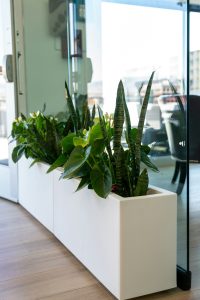
Adaptable workplace design improves employee experience – and retention – while supporting long-term organizational flexibility for your business.
Incorporate Sustainable Commercial Design Principles
Longevity and sustainability are closely linked – the longer materials, systems, and layouts remain functional, the lower the impact on the environment as well as your bottom line.
Sustainable Strategies for Commercial Interiors
To make your commercial interiors more sustainable, include things like:
– Energy-efficient lighting
– Low-VOC materials
– Recycled and recyclable finishes
– Adaptive reuse opportunities
– Daylight optimization
Utilizing sustainable design in commercial settings also supports ESG initiatives, tenant expectations, and long-term operational savings.
Design for Accessibility and Universal Use
The tenant that occupies a commercial space won’t occupy it ‘forever.’ Commercial spaces should remain functional and accessible for a diverse group of users over time. Applying universal design principles improves inclusivity and future-proofs the environment at the same time.
Accessibility Features to Include
– Wider circulation paths
– ADA-compliant layouts
– Adjustable lighting
– Ergonomic furnishings
– Accessible restrooms
– Touchless technology integration
These inclusive design points improve usability for employees, clients, customers, and visitors alike, setting you apart from your competition.
Use Timeless Design Foundations
Trend-heavy commercial interiors can become outdated quickly. A timeless design approach creates longevity while allowing brand identity to evolve through smaller updates.
Timeless Commercial Design Elements
To keep your commercial spaces looking great throughout the years, buck the trends and choose elements like:
– Neutral color palettes
– Clean architectural detailing
– Minimalist fixtures
– Flexible lighting systems
– Durable textures and finishes
Subtly incorporate branding through:
– Artwork
– Signage
– Accent furniture
– Graphics
– Decorative elements
These timeless designs allow commercial spaces to stay current without costly renovations.
Final Thoughts
Designing commercial spaces for longevity and adaptability is a strategic investment in long-term performance for any commercial space. By prioritizing flexible layouts, durable materials, scalable technology infrastructure, and timeless design principles, businesses and property owners can create environments that evolve with changing operational needs and market demands rather than trends.
The staff at Realty Asset Advisors knows that future-proof commercial interiors are not only more sustainable and cost-effective, but they also create better experiences for tenants, employees, customers, and all other stakeholders involved.
We know the most successful commercial spaces are those designed to adapt without the need to start from scratch.
Contact us today!