How to Create Inspiring Office Environments for Creative Industries
Creating an office environment that inspires and motivates your employees isn’t just about aesthetics – it’s a strategic investment in their creativity, productivity, and well-being. This is especially important for creative industries such as design, marketing, media, and tech, where the workspace itself is a catalyst for innovation.
In this guide we’ll discuss the importance of creating an environment that’s not just comfortable and functional but inspires your team to do what they do best – think outside the box to come up with creative and innovative solutions.
Table of Contents
Why Office Design Matters for Creativity
How to Design for Creativity
Prioritize Flexible Workspaces
Strategic Use of Color Psychology
Maximize Natural Light
Incorporate Biophilic Design
Design for Collaboration and Community
Reflect Brand Identity in Design
Integrate Technology Seamlessly
Provide Personalization Opportunities
Focus on Comfort and Ergonomics
Include Recharge and Wellness Areas
Final Thoughts
Why Office Design Matters for Creativity
No matter what industry you’re in, your office needs more than a basic workstation with computer, desk, and chair for each employee. Adding spice like color and texture brings warmth and comfort, boosting employee morale.
In creative fields, ideas are currency. When you take the time to thoughtfully design a workspace, that workspace can now:
– Boost collaboration and idea-sharing
– Enhance focus
– Reduce burnout
– Reflect brand identity and culture
– Attract and retain top creative talent
Studies have consistently shown that the work environment directly impacts cognitive performance, meaning your office’s design plays a critical role in your business’ success.
How to Design for Creativity
Given you and your employees are already in a creative industry, you’ve likely thought of some of these steps already. But success lies in the execution, not just having the idea.
Prioritize Flexible Workspaces
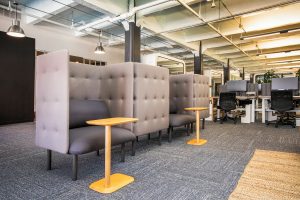
Almost by definition alone, creative work rarely fits into a rigid structure. In such industries, flexibility in workspaces is key. For creativity to flow, add elements like:
– Open collaboration zones (great for brainstorming together)
– Quiet areas (for deep focus to apply those creative ideas)
– Modular furnishings (can be creatively arranged and rearranged)
– Hybrid workstations (remote and in-office team collaboration)
Pro Tip: Flexibility allows employees to choose how and where they can execute their work best, encouraging autonomy and creativity.
Strategic Use of Color Psychology
As a member of a creative industry, you know the ins and outs of color psychology. Color has a powerful effect on mood and productivity in every industry. Key colors to incorporate in your creative office are:
– Blue: Enhances focus and calm thinking
– Yellow: Sparks creativity and optimism
– Green: Reduces eye strain and promotes balance
– Red (use sparingly): Increases energy and urgency
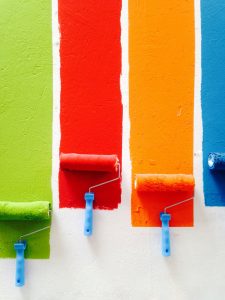
Combine these colors as bold accents with neutral bases like white, gray, and black to keep color from overwhelming each space. For more about color psychology and its uses and effects in the workplace, check out our article The Role of Color Psychology in Workplace Design.
Maximize Natural Light
When it comes to workplace satisfaction, you can expose your employees to all the right colors, textures, and designs, but without natural light, you designs may fall flat. Some benefits of natural light:
– Improves mood and energy levels
– Enhances productivity
– Regulates circadian rhythms
Tips for maximizing natural light:
– Position workstations near windows
– Use glass partitions instead of solid walls
– Incorporate mirrors (reflect light)
Incorporate Biophilic Design
Humans gravitate toward nature and environments that help them make such connections. Making these connections while at work boosts creativity and reduces stress.
Biophilic design is the concept of bringing natural colors, textures, and items into the workplace. Incorporate biophilic design by:
– Utilizing indoor plants and ‘green walls’
– Utilizing natural building materials (wood, stone, etc.)
– Utilizing water feature or other nature-inspired textures
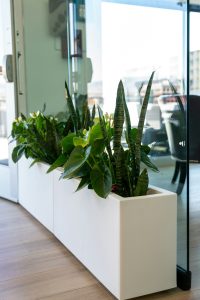
By adding these features, you strengthen your employees’ biophilic connections, making them feel relaxed and in turn fueling creative thinking.
Design for Collaboration and Community
Creative industries thrive on interaction between team members. Your office’s must-have spaces include:
– Brainstorming rooms or spaces with whiteboards or smartboards
– Casual lounge areas for information discussion
– Cafe-style areas for social interaction
Such spaces encourage spontaneous conversations and interactions that can foster some of the best creative ideas.
Reflect Brand Identity in Design
Creative companies like yours may be employed by others to help tell the story of their brand. Some creative companies are so busy telling someone else’s story they forget to show off their own. Help your office tell your story:
– Use brand colors and typography (on signage, in welcome areas)
– Showcase past projects
– Incorporate your mission statement into wall art
The inspiration these details provide doesn’t stop at your employees – they impress clients and other visitors as well.
Integrate Technology Seamlessly
In today’s world, creative teams rely heavily on technology. Tech essentials include:
– High-speed internet and cloud access
– Smart meeting rooms with video conferencing capabilities
– Digital collaboration tools (interactive screens, tablets, etc.)

These and other technologies help enhance workflow rather than complicate it.
Provide Personalization Opportunities
No matter what the industry, employees feel more energized and engaged when they can personalize their workspace. Rather than forcing employees to keep a blank slate in hopes of it assisting in visualizing creative works:
– Allow desk customization
– Provide pinboards/pegboards or creative display areas
– Encourage team-specific zones
Letting employees add personal touches makes the environment feel more human and comfortable and less corporate and staged.
Focus on Comfort and Ergonomics
When comfort is lacking, creativity suffers, meaning creating comfortable workspaces is critical for the success of the employees in a creative business. When designing your office, be sure to invest in:
– Ergonomic chairs and desks
– Adjustable sit/stand desks
– Proper lighting for screens
Taking these steps toward comfort directly impacts your team’s productivity – and their long-term health.
Include Recharge and Wellness Areas
Creativity won’t flow in employees who are tired or otherwise not feeling 100% while at work. The mental energy required of creative industries is high, so breaks are essential. The break rooms of yesterday – a small kitchenette or room with a microwave and sink – have gone by the wayside. Instead consider:
– Meditation or quiet rooms
– Game zones
– Relaxation areas
– Work out areas or gyms
– Outdoor spaces (if available)
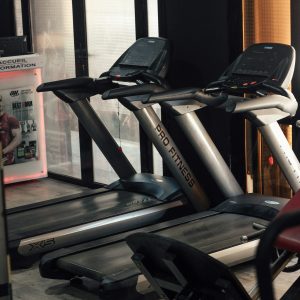
Spaces like these help employees decompress and reset, leading to better ideas and performance upon returning to work.
Final Thoughts
Inspiring office environments are more than just a current design trend – they’re a business advantage. For creative industries, inspiring workspaces empower imagination, foster collaboration, and support employees’ overall well-being.
The staff at Realty Asset Advisors can help you in combining elements like flexibility, thoughtful design, and employee-centric features to ensure your company in a creative-based industry can produce environments where creativity doesn’t just happen, but thrives.
Contact us today!