Sustainability is no longer optional when it comes to building – especially in commercial real estate – it’s a competitive advantage. Incorporating sustainability through sustainable building materials and practices during tenant improvement (TI) projects helps reduce operating costs, improve occupant well-being, and align with ESG goals – all at the same time!
Whether you’re planning a sustainable office renovations or upgrading retail or industrial spaces, making clear, strategic decisions from the start can significantly lower your project’s environmental impact without increasing costs.
Table of Contents
Set Clear Sustainability Goals Early
Improve Energy Efficiency in Tenant Spaces
Sustainable Building Materials
Design Flexible, Future-Proof Spaces
Enhance Indoor Environmental Quality (IEQ)
Reduce Water Usage in Commercial Interiors
Minimize Construction Waste
Pursue Green Building Certifications
Use Smart Technology for Ongoing Efficiency
Collaborate with Landlords for Greater Impact
Final Thoughts
Set Clear Sustainability Goals Early
The foundation for any successful sustainable tenant improvements starts before construction even begins. In the planning phase, you’ll define such measurable goals as:
– Reduce energy consumption
– Improve indoor air quality
– Achieve LEED or WELL certification standards
– Lower water usage
Early alignment between all stakeholders – tenants, landlords, and project teams – ensures sustainability is integrated from the beginning, not an after thought added later.
Include sustainability goals in your checklist of Challenges in Tenant Improvement Projects to address from the start.
Improve Energy Efficiency in Tenant Spaces
Energy efficiency and sustainability go hand-in-hand. Energy efficiency is one of the most simple and impactful ways to create green tenant improvements in any space.
Don’t miss these steps:
– LED lighting systems with occupancy sensors
– Smart lighting controls and daylight harvesting
– High-efficiency HVAC
– Energy-efficient office equipment (look for ENERGY STAR logo)
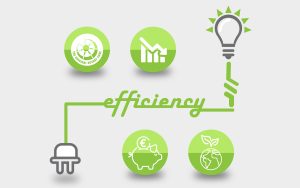
Optimizing lighting and plug loads alone can result in a significantly reduced energy bill in commercial interiors. Check out our article on How to Balance Sustainability and Profitability in Development for more ideas.
Sustainable Building Materials
Building material selection goes a long way in making your next tenant improvement project a sustainable. Some choices to include are:
– Low- or Zero-VOC paints and adhesives (improves indoor air quality)
– Recycled or renewable materials (think bamboo or recycled carpet/flooring)
– Locally-sourced projects (reduces transportation costs and emissions)
– Certified materials (FSC, Cradle to Cradle, etc.)
Choosing more durable materials up front may seem costly now, but those materials reduce lifecycle costs and waste in the long term.
Design Flexible, Future-Proof Spaces
Adaptability is number one when it comes to sustainable office design. Some things to consider:
– Modular walls and furniture systems
– Multi-use spaces
– Planning for future layout changes
Having such flexible designs reduces demolition (and its waste and environmental impact) and extends the lifespan of tenant improvements. See our article on Incorporating Future Flexibility in Office Designs for additional guidance.
Enhance Indoor Environmental Quality (IEQ)
With most workers spending up to 1/3 of their lives in an office environment, healthy indoor environmental quality (IEQ) is essential to comfort and productivity. Boost your space’s IEQ by:
– Maximize natural daylight
– Enhance ventilation and air filtration
– Reduce noise with acoustic design
– Provide thermal comfort controls
Taking these steps will improve the work environment as well as tenant satisfaction (leading to high tenant retention rates).
Reduce Water Usage in Commercial Interiors
Water efficiency is another simple, yet effective part of your sustainability strategy during your next tenant improvement project. Install items like:
– Low-flow plumbing fixtures (toilets, sink faucets)
– Sensor-based toilets and faucets
– Water-efficient appliances

Such upgrades are cost-effective and reduce long-term utility expenses for a little extra investment now.
Minimize Construction Waste
Construction waste is one of the biggest overall contributors environmental pollution in the world. Your next sustainable tenant improvement project will help lower that statistic! Make your build more sustainable by:
– Developing a waste management plan
– Recycling drywall, metal, and cardboard
– Reuse existing furnishing and fixtures
Sustainable construction practices like these help reduce the impact of landfill waste and keep project costs low.
Pursue Green Building Certifications
Certifications like LEED or WELL validate your commitment to sustainability at every turn and add market value to your property. Consider building with the standards of such programs as:
– LEED for Commercial Interiors (LEED CI)
– WELL Building Standard
– Fitwel Certification
Even if your project doesn’t boast the stamp of such certifications, using those guidelines will shape a great model for tenant improvement best practices moving forward. Our article about How to Design a Building That Meets WELL Certification Standards gives more advice to guide your decisions.
Use Smart Technology for Ongoing Efficiency
Sustainability doesn’t stop at construction or building material choices. For ongoing efficiency after occupancy:
– Implement energy monitoring systems
– Use smart building technology (some can track energy use, adjust lighting and temperature, etc.)
– Track performance metrics (and make improvements)

Monitoring ongoing operations allows you to optimize performance to ensure long-term ROI from the sustainable upgrades implemented.
Collaborate with Landlords for Greater Impact
Many tenant improvements depend on “base” building systems. To improve sustainability during your next tenant improvement project, work with landlords to:
– Upgrade HVAC systems
– Access energy use data (to make adjustments)
– Align shared sustainability goals for the tenant and the property as a whole
Such collaboration unlocks even deeper efficiencies across the entire building, not just a single tenant space. Read our article on Why Tenant Feedback is Essential for Successful Renovations for ways landlords and tenants can work together.
Final Thoughts
Incorporating sustainability into tenant improvement projects delivers more than just environmental benefits – it reduces overall operating costs, enhances occupant health, and future-proofs your space for years to come.
As the demand for Eco-friendly commercial interiors continues to grow, we at Realty Asset Advisors can help you create a sustainable TI project that helps you become a stand-out example in the most competitive markets.
Contact us today!